I have spent more than two decades covering chronic disease for this magazine. Endocrinology wards. Diabetes trials. The slow, quiet way type 2 takes a person apart one piece at a time — the vision, the feet, the kidneys — while everyone at the table keeps calling it managed. I thought I had seen every angle of this disease. I had not.
Nothing in my twenty years here prepared me for the conversation I had last month with Dr.Li.
If the name sounds familiar, it should. Thirty years at Harvard. A TED talk with more than 15 million views. A New York Times bestseller translated into forty languages. For three decades he has been one of the handful of physicians this country trusts to tell it what to eat and how to live.
"I was supposed to be the expert," he told me, and his voice did something I was not expecting. "I spent thirty years teaching America how to take care of its health. Advising the most powerful medical institutions in this country. And I could not save the woman I loved most in the world."
The woman is his wife, Sarah. Sixty-one years old. Diabetic for three years. They did everything. Metformin every single morning. A diet so restrictive she stopped eating dinner at other people's houses. Exercise. Then the insulin injections. Her numbers got worse anyway.
"Every door I knocked on was a door I had helped build," he said. "That is the part I still have trouble with."
So if you are watching your own numbers climb — the thirst that never fully goes away, the bathroom at two in the morning, the pins and needles in your hands and feet, the exhaustion that lands twenty minutes after you eat — I need you to read every line of this story carefully.
And if you have ever caught your own children glance at what is on your plate and pretend they didn't — read it twice.
You are NOT alone. And it is NOT your fault.
The morning that changed all of this was supposed to be the best day of the year. Their granddaughter Emma was turning five.
Cake on the dining room table. Five little candles. The whole family in one room. Sarah leaned in to help Emma blow them out — and went down. Right in front of the cake. Right in front of Emma.
"Her lips had gone gray before I could reach her," Dr. Li told me. "My granddaughter was pulling on my arm screaming wake up, Grandma. I have been a physician for thirty years. I checked my own wife's pulse on the floor of my dining room and I did not know what was killing her."
What Dr. Li confirmed to us on camera — and what the Cleveland Clinic confirmed weeks later, when it published the results of a 6,438-patient trial — is the reason the pharmaceutical industry has spent thirty years managing this disease instead of ending it.
A single American diagnosed with type 2 diabetes generates roughly $500,000 in pharmaceutical revenue over the course of the disease. A cured patient generates zero. That is the equation that decided what you were allowed to know.
AAKP sent Rebecca Morgan — the health correspondent who lost her own father to type 2 diabetes in 2011, kidney failure after eleven years on dialysis, and who has spent the last two decades as one of America's most outspoken voices on this disease — to Dr. Li's clinic in Boston. The full interview is published below. I am publishing it in full because — frankly — I do not know how much longer it will be allowed to stay online.

Rebecca Morgan: Dr. Li, for decades Americans have been told that type 2 diabetes is sugar. It is carbs. It is genetics. You say all of that is wrong. What is actually happening inside the pancreas?
Dr. Li: High blood sugar is not the cause. It is the reading. It is what shows up on the meter after the damage has already been done. For thirty years the entire industry has been chasing the number instead of the wound. The real cause is a parasite. Its scientific name is Eurytrema pancreaticum. We call it the pancreatic parasite. It enters through the food and water supply, burrows into the pancreas, and feeds on your insulin before your body can ever use it. Then it destroys the beta cells that produce GLP-1 — the hormone that tells your body to use insulin at all. Without it, the sugar has nowhere to go. That is type 2 diabetes. It is not sugar. It is not genetics. It is consumption.
Rebecca Morgan: If this parasite has always been in the food supply, why did type 2 diabetes explode the way it did?
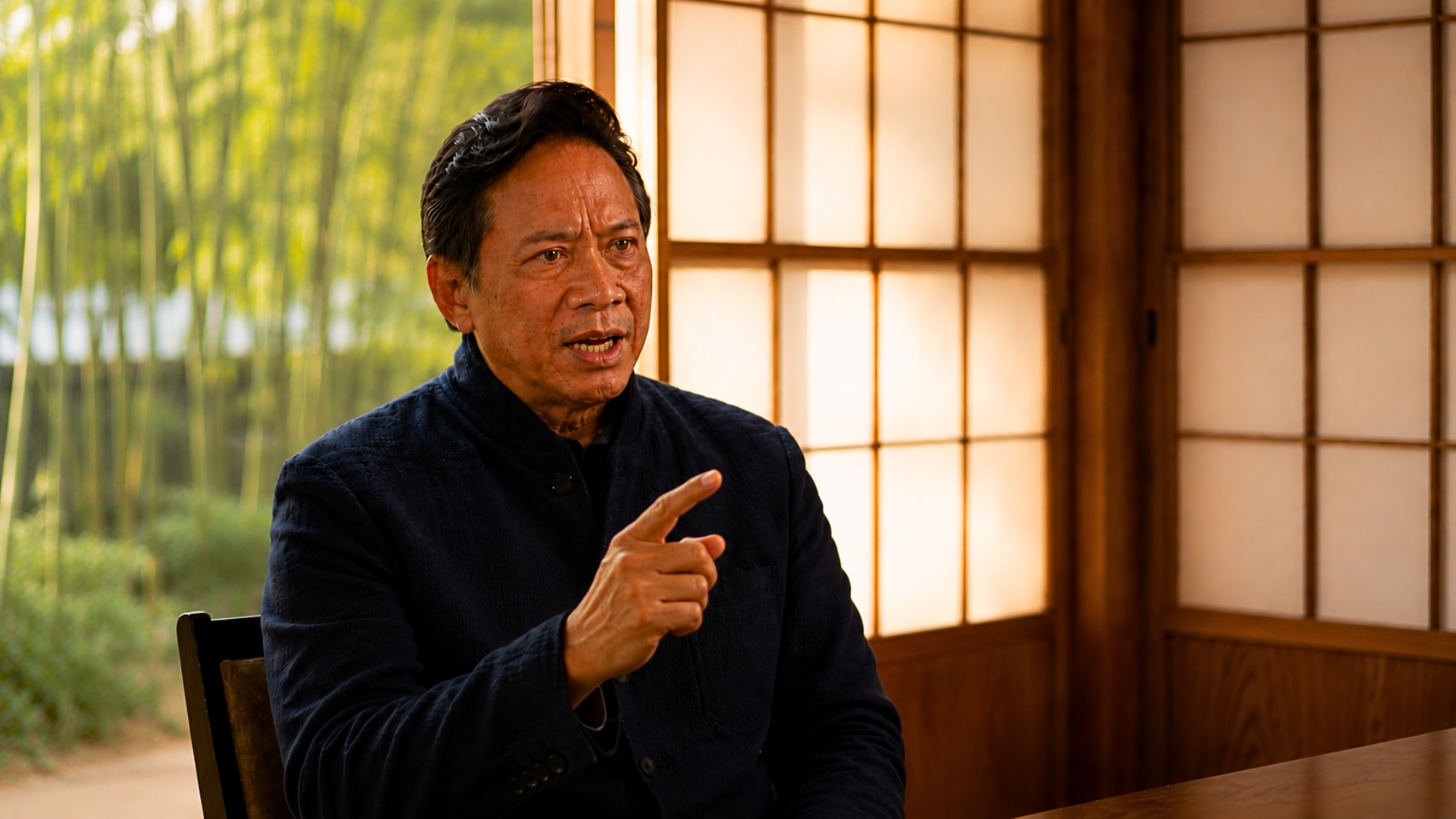
Dr. Li: Since 2000, type 2 diabetes in this country has nearly tripled. Genetics does not move that fast. What changed was the American immune system. Microplastics in your water. Industrial pesticides on your food. Decades of layering one chemical load on top of another until your immune system stopped acting on its own. A healthy immune system finds this parasite and eliminates it before it ever reaches the pancreas. Most Americans no longer have that defense. After 2020 the curve went vertical — you can pull it up on the CDC's own website. The parasite finally had a clear path.
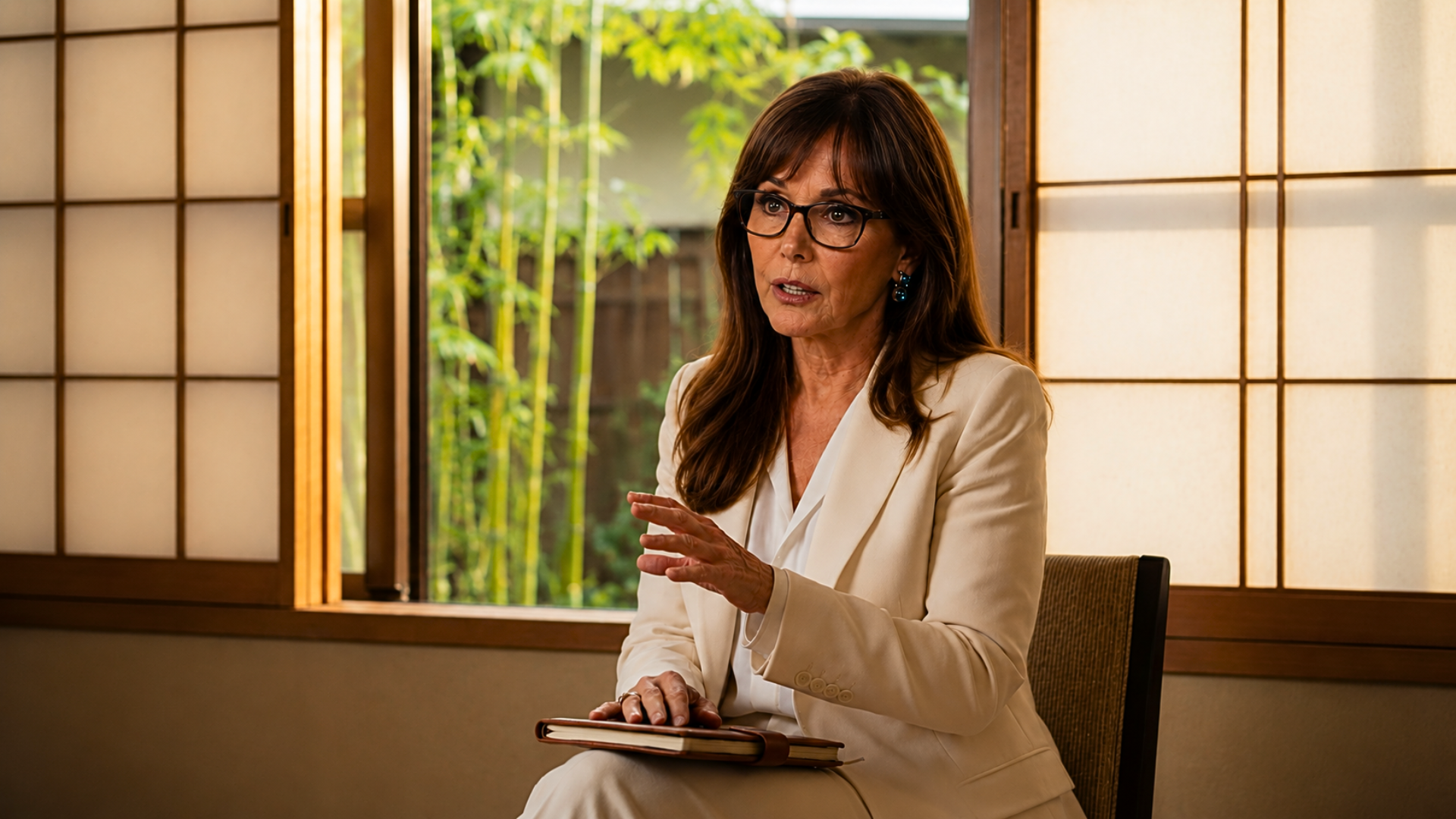
Rebecca Morgan: And the drugs American families have been spending their savings on — Metformin, Januvia, Ozempic?

Dr. Li: They do not kill the parasite. They do not rebuild the beta cells. They do not restore your GLP-1. They manage a number for as long as you keep paying. That is the business model. A patient who is managed slowly pays for a decade. A patient who is cured pays nothing. That is why this was never going to come out of a pharmaceutical laboratory.
What ended it for Sarah was not a drug. It was a honey drink — one spoonful of a specific olive oil, raw honey, and two ingredients most people already keep in the kitchen. Taken on an empty stomach, it kills the parasite and reopens GLP-1 production. Her fasting glucose was 95 in twenty-one days. She has not taken insulin since.
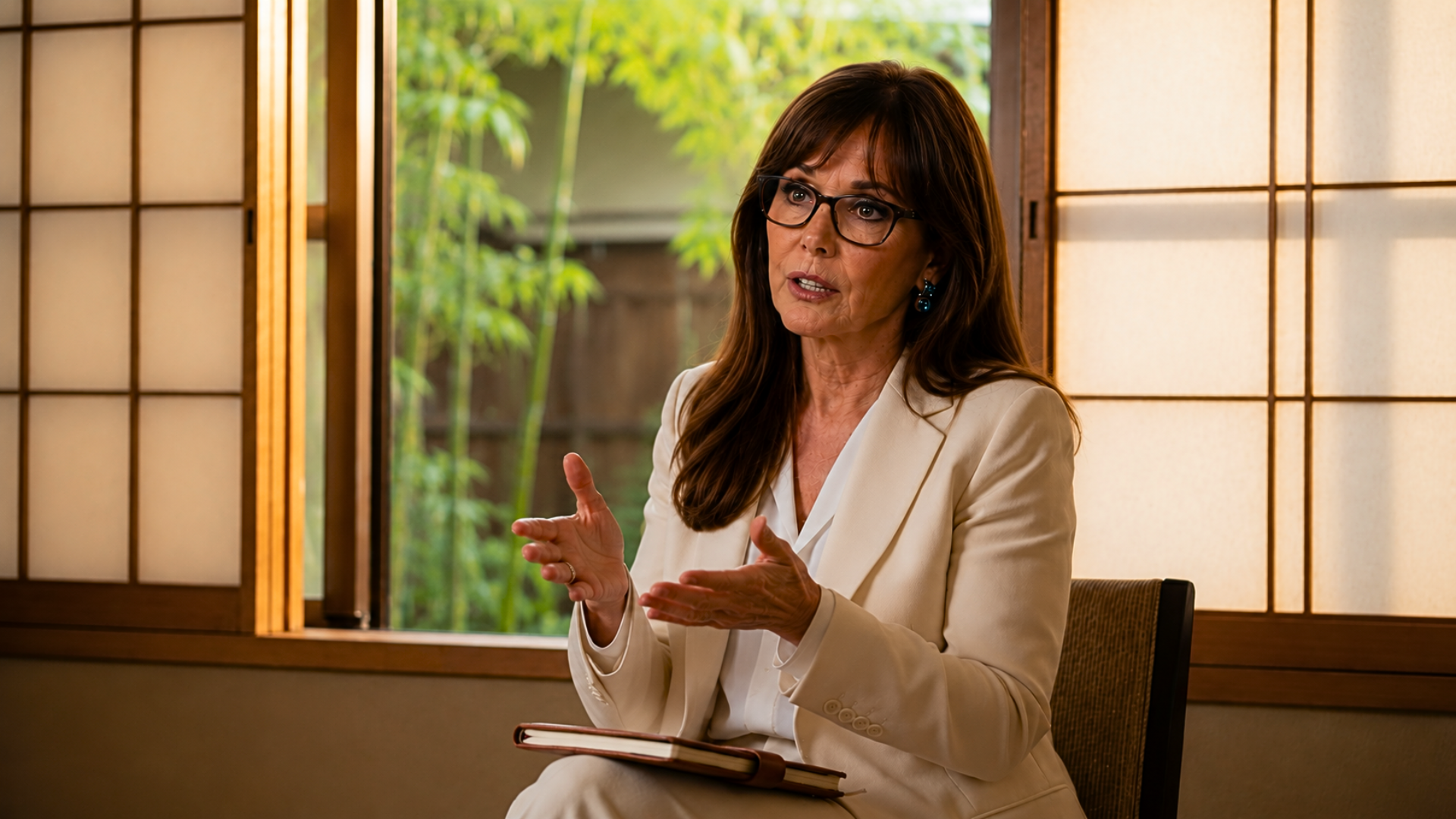
Rebecca Morgan: Can anyone try this at home?
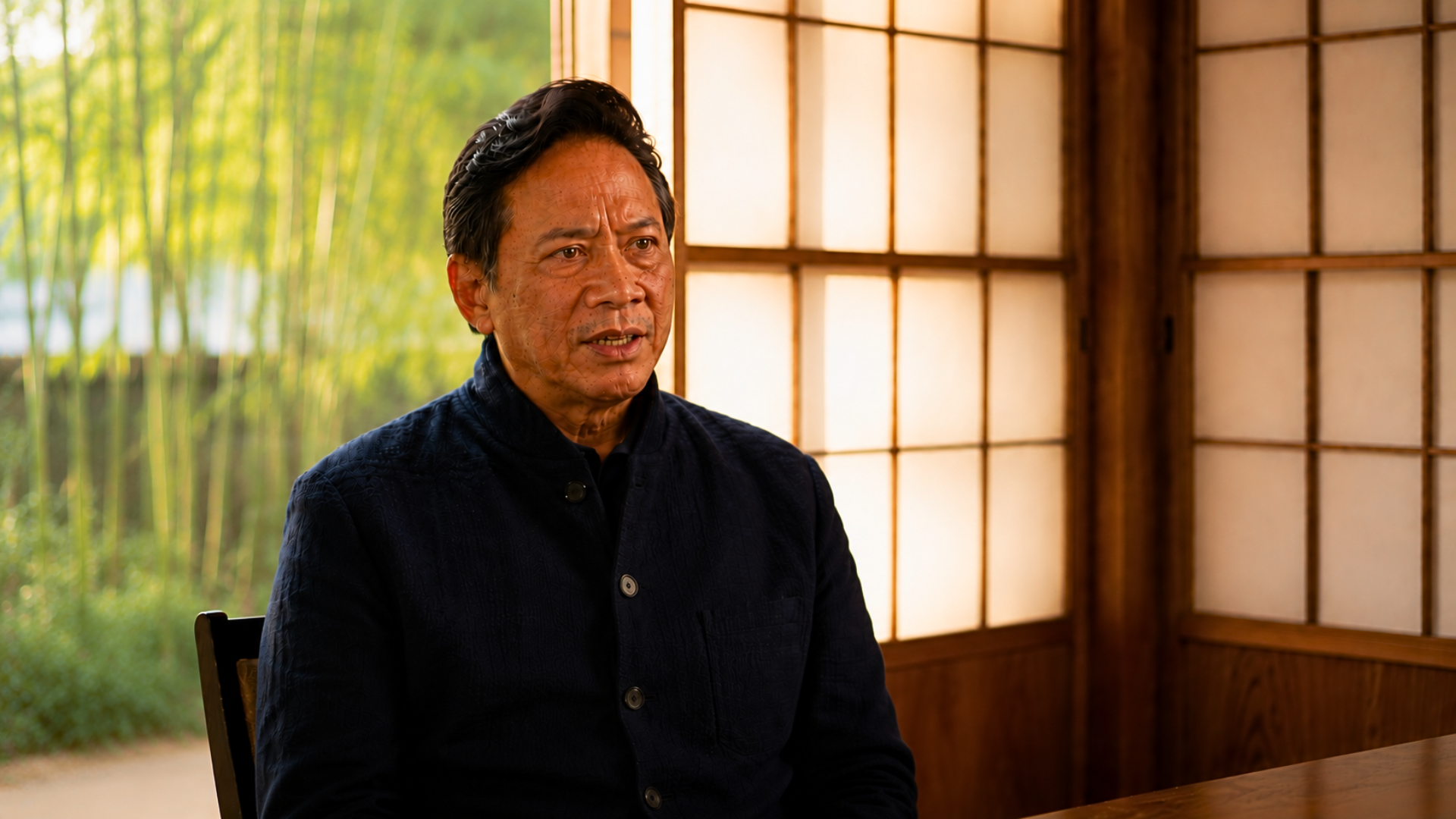
Dr. Li: You probably have these ingredients in your kitchen right now. Most people notice a difference in their blood sugar within 1–2 days. More energy, better focus, and lower blood sugar with each passing day.
I've put together a short video explaining exactly how to do this at home — the exact type of olive oil, the specific red spice, and the precise amounts. Watch it below.